

Have you ever come across the abbreviation LMS in a text message, social media post, or online classroom and wondered what it actually means? You’re not alone. The term LMS is used in different situations, which often leaves people confused about its real meaning. While students usually associate it with online learning, social media users may interpret it in an entirely different way.
In most educational and professional settings, LMS stands for “Learning Management System,” a digital platform designed to create, manage, deliver, and track learning activities. However, on social media and in text messages, LMS can also mean Like My Status or Let Me See, depending on the conversation. Understanding the context is the easiest way to determine which meaning is being used.
In this guide, you’ll learn the most common meanings of LMS, how it’s used in education, workplaces, texting, and social media, along with practical examples that make each definition easy to understand. By the end, you’ll know exactly what someone means whenever you see the abbreviation LMS.
What Does LMS Mean?
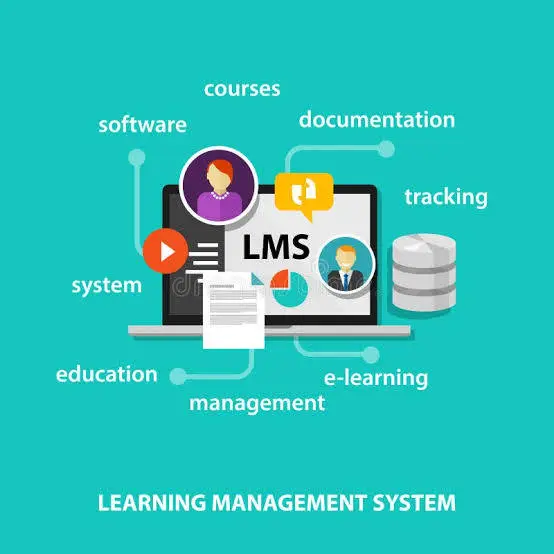
The abbreviation LMS has multiple meanings, but the most common definition is Learning Management System. It refers to a software platform that helps schools, universities, businesses, and training organisations create online courses, manage learners, deliver educational content, and track progress in one place. Popular examples include Moodle, Canvas, Blackboard, and Google Classroom.
Outside education, LMS may also stand for Like My Status, a phrase commonly used on social media to encourage engagement, or Let Me See, which appears in casual text conversations. Because these meanings belong to completely different contexts, it’s important to consider where you saw the abbreviation before deciding what it means.
Example
A university professor writes:
“Please submit your assignment through the LMS before Friday.”
Here, LMS clearly means Learning Management System because the discussion is about submitting coursework online.
Why Is LMS So Common Today?
The popularity of LMS has grown rapidly because online learning has become an essential part of education and workplace training. Schools, colleges, universities, and companies increasingly rely on digital platforms to organise courses, share study materials, conduct assessments, and monitor learner performance. Instead of managing everything manually, instructors can access all learning resources from a single platform, making the teaching and learning process much more efficient.
At the same time, social media has given the abbreviation another life. On platforms like Facebook and Instagram, many users write LMS as shorthand for Like My Status, encouraging friends to interact with their posts. In text messages, some people also use LMS to mean Let Me See, especially when asking someone to share a photo or screenshot. These different uses explain why the abbreviation is searched so frequently online.
Example
Instead of saying:
“Please check the Learning Management System for today’s lesson.”
Many teachers simply write:
“Please check the LMS for today’s lesson.”
The meaning remains exactly the same while making communication quicker.

Where Is LMS Commonly Used?
The meaning of LMS depends almost entirely on the environment where it’s being used. In educational institutions, the abbreviation almost always refers to a Learning Management System. Teachers use it to upload assignments, students log in to complete quizzes, and administrators manage courses through the same platform.
In businesses, LMS platforms help organisations train employees, deliver compliance courses, and monitor professional development. Companies often use an LMS to onboard new employees, assign mandatory training, and generate progress reports without relying on traditional classroom sessions.
On the other hand, social media users may use LMS in a completely different way. Someone posting “LMS for a TBH” is usually asking people to Like My Status, while a text saying “LMS the screenshot” generally means Let Me See. This difference highlights why context matters whenever you encounter the abbreviation.
Real-Life Examples
- “Upload your homework to the LMS before midnight.”
- “Our company launched a new LMS for employee training.”
- “LMS for a TBH.”
- “LMS the photos from your trip.”
Although the abbreviation is identical in each sentence, its meaning changes according to the topic being discussed.
How Does a Learning Management System Work?
A Learning Management System acts as a centralised online platform where educators and trainers can organise every aspect of learning. Instead of distributing printed materials or managing assignments through email, everything is stored within a single system. Learners simply log in to access lessons, watch videos, complete quizzes, download study materials, and track their own progress.
Most modern LMS platforms also allow instructors to communicate with students, schedule classes, grade assignments, and generate detailed performance reports. Because everything is managed digitally, learning becomes more flexible and accessible from almost any internet-connected device.
Example
A company hires twenty new employees. Rather than organizing several in-person training sessions, the HR department uploads training videos, quizzes, and documents to the company’s LMS. Each employee completes the training online, while managers can easily monitor who has finished each module.
Types of Learning Management Systems
Not every Learning Management System works in the same way. Different organisations choose different types of LMS platforms based on their needs, budget, and learning objectives. Some are designed specifically for schools and universities, while others are built to help businesses train employees or manage professional development programs.
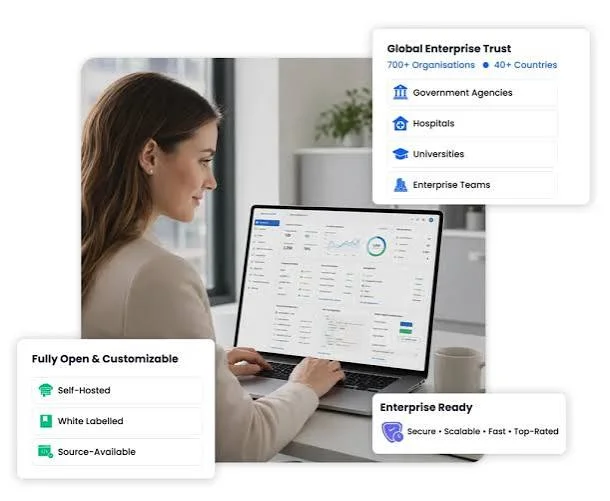
One of the most common categories is a cloud-based LMS, where all data and course materials are stored online. Users can access the platform from anywhere with an internet connection, making it ideal for remote learning and distributed teams. Another option is a self-hosted LMS, which is installed on an organisation’s own servers and gives administrators greater control over customisation, security, and data management.
Some organisations also choose open-source LMS platforms, allowing developers to modify the software according to their specific requirements. Others prefer commercial solutions that offer dedicated support, automatic updates, and additional enterprise features.
Example
A university may use an open-source LMS like Moodle because it offers flexibility and customisation, while a multinational company may choose a commercial cloud-based LMS to train thousands of employees across different countries.
Popular LMS Platforms
Today, thousands of educational institutions and businesses rely on Learning Management Systems to deliver online education and training. While every platform offers different features, their primary goal remains the same: making learning more organised, accessible, and efficient.
Some LMS platforms focus on schools and universities, providing tools for assignments, quizzes, grading, and virtual classrooms. Others are designed for businesses that need employee onboarding, compliance training, certification management, and performance tracking.
Some of the most widely used Learning Management Systems include:
| LMS Platform | Commonly Used By |
| Moodle | Schools and Universities |
| Google Classroom | Teachers and Students |
| Canvas LMS | Colleges and Educational Institutions |
| Blackboard | Universities |
| TalentLMS | Businesses and Corporate Training |
Each platform offers unique features, so the best choice depends on the organisation’s goals and learning requirements.
LMS Meaning in Texting
Outside education, LMS can have an entirely different meaning in text messages. Depending on the conversation, LMS may stand for Let Me See. People often use this abbreviation when asking someone to send a photo, video, screenshot, or any other visual content.
Unlike educational discussions where LMS almost always refers to a Learning Management System, texting relies heavily on context. Reading the surrounding conversation is the easiest way to understand which meaning applies.
Example
Your friend messages:
“LMS the pictures from your vacation.”
Here, LMS means “Let Me See.” Your friend is asking you to share the photos.
Another example could be:
“LMS your new phone.”
In this sentence, the person wants to see a picture of your new phone rather than discussing online learning.
LMS Meaning on Social Media
Social media users often give abbreviations completely different meanings, and LMS is no exception. On platforms like Facebook, users commonly write LMS, meaning Like My Status. This phrase became popular as a simple way to encourage friends to interact with posts and increase engagement.
You may have seen posts saying “LMS for a truth,” “LMS for a compliment,” or “LMS if you agree.” In these cases, the person is inviting others to like their status in exchange for a response or interaction.
Because social media abbreviations evolve quickly, LMS can occasionally have other meanings, but Like My Status remains one of the most recognised definitions in online communities.
Example Conversation
Emily: LMS for a compliment!
Sophia: Likes the post.
Emily then replies with a friendly compliment in return.
LMS Meaning on Facebook
Facebook played a major role in making LMS popular as an internet abbreviation. Before short-form video platforms dominated social media, Facebook users frequently created interactive posts asking friends to like their status in exchange for games, questions, or compliments.
For example, someone might post:
“LMS and I’ll describe you in one word.”
Or:
“LMS if we’ve known each other for more than five years.”
In both situations, LMS simply means Like My Status. The abbreviation encourages people to interact with the post, increcccccaasing engagement while making conversations more entertaining.
Although these trends aren’t as common as they once were, you’ll still occasionally see LMS used this way on Facebook and other social networking platforms.
LMS Meaning on Snapchat
On Snapchat, the meaning of LMS depends on the type of conversation you’re having. While Snapchat is mainly known for sharing photos, videos, and quick messages, users also rely heavily on internet slang and abbreviations. In many cases, LMS stands for Like My Story or Like My Snap, but some users also use it to mean Let Me See when asking someone to send a picture or video.
For example, if someone sends a message saying, “LMS your new outfit,” they’re asking you to show them a photo. On the other hand, if a user posts “LMS if you’re awake,” they’re encouraging friends to interact with their story or message. The intended meaning becomes clear once you look at the surrounding conversation.
Example Conversation
Alex: I heard you bought a new bike.
Ryan: Yeah! LMS and I’ll send you a picture.
In this example, LMS means “Let Me See” or refers to sharing a picture, depending on the context of the conversation.
LMS Meaning on Instagram
Instagram users also use LMS in different ways. While scrolling through posts or stories, you may notice captions such as “LMS if you agree,” “LMS for a follow back,” or “LMS for a shoutout.” In these situations, LMS generally means Like My Status or simply encourages users to engage with a post.
Because Instagram focuses heavily on likes, comments, and interactions, abbreviations like LMS became popular among users looking to increase engagement. Although the trend isn’t as widespread as it once was, many people still recognise LMS as a social media abbreviation rather than an educational term.
If someone sends you a private message saying “LMS the pictures,” the meaning changes to Let Me See, demonstrating once again why context is essential.
Other Common Meanings of LMS
Although Learning Management System is the most widely recognised definition, LMS has several other meanings depending on the industry, platform, or conversation. Understanding these alternative definitions can help prevent confusion when you encounter the abbreviation in different situations.
| LMS Meaning | Commonly Used In |
| Learning Management System | Education and Corporate Training |
| Like My Status | Facebook and Social Media |
| Let Me See | Text Messages and Online Chats |
| Learning Management Software | Educational Technology |
| Library Management System | Schools and Libraries |
The easiest way to determine the correct meaning is to read the surrounding conversation. If the discussion is about courses, assignments, or online classes, LMS almost certainly refers to a Learning Management System. If it’s a casual chat or social media post, the abbreviation may have a completely different meaning.
Common Misconceptions About LMS
One of the biggest misconceptions about LMS is that it only stands for Learning Management System. While this is the most common meaning in education and business, the abbreviation has several other definitions that are widely used on social media and in text messages.
Another common misunderstanding is that every school or company uses the same LMS platform. In reality, organisations choose different systems depending on their needs, budget, security requirements, and available features. A university may prefer Moodle or Canvas, while a business might use TalentLMS or another corporate training platform.
Some people also assume that LMS platforms are only useful for online learning. In fact, many educational institutions use them to support classroom teaching by sharing assignments, collecting homework, tracking attendance, and communicating with students.
Final Thoughts
The abbreviation LMS can have different meanings, but the correct definition always depends on the context. In education and corporate training, LMS almost always stands for Learning Management System, a platform that helps organisations manage online learning efficiently. On social media, LMS commonly means Like My Status, while in casual text messages it may stand for Let Me See.
Whenever you come across the abbreviation, take a moment to consider the topic of the conversation. If people are discussing courses, teachers, students, or training programs, LMS almost certainly refers to a learning management system. If the discussion involves social media or texting, another meaning may be intended. Understanding these different uses will help you interpret the abbreviation correctly wherever you see it.
FAQs
What does LMS stand for?
Answer: LMS most commonly stands for Learning Management System, an online platform used to create, manage, deliver, and track educational courses and training programs. However, it can also mean Like My Status or Let Me See, depending on the context.
What is an LMS used for?
Answer: A Learning Management System is used by schools, universities, businesses, and training organisations to deliver online courses, manage assignments, conduct quizzes, monitor learner progress, and organise educational content.
Is LMS only used in education?
Answer: No. While Learning Management System is the most common meaning, LMS is also widely used on social media and in text messages, where it may mean Like My Status or Let Me See.
What does LMS mean in texting?
Answer: In text messages, LMS often means Let Me See. People use it when asking someone to share a photo, video, or screenshot.
What does LMS mean on Facebook?
Answer: On Facebook, LMS usually stands for Like My Status. Users often write posts like “LMS for a compliment” or “LMS if you agree” to encourage engagement.
Which are the most popular LMS platforms?
Answer: Some of the most popular Learning Management Systems include Moodle, Canvas LMS, Google Classroom, Blackboard, and TalentLMS, each designed for different educational or business needs.
